

This text has been automatically translated from Finnish using AI and has not been manually reviewed.
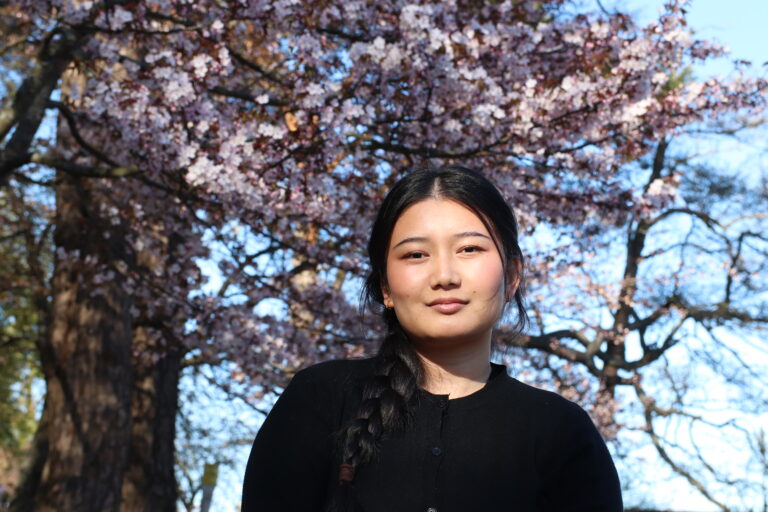
Mular Hser was 10 years old when her family moved to Finland 18 years ago. Before arriving in Finland, the family had fled the civil unrest in Myanmar to a refugee camp in Thailand, where Mular was born. Today, all family members – parents and five siblings – live in Kotka, in different parts of the city but close to each other.
– In our culture, it is important to live close to family. Even if not in the same house, at least in the same neighbourhood. This way we can support each other in our daily lives, says Mular.
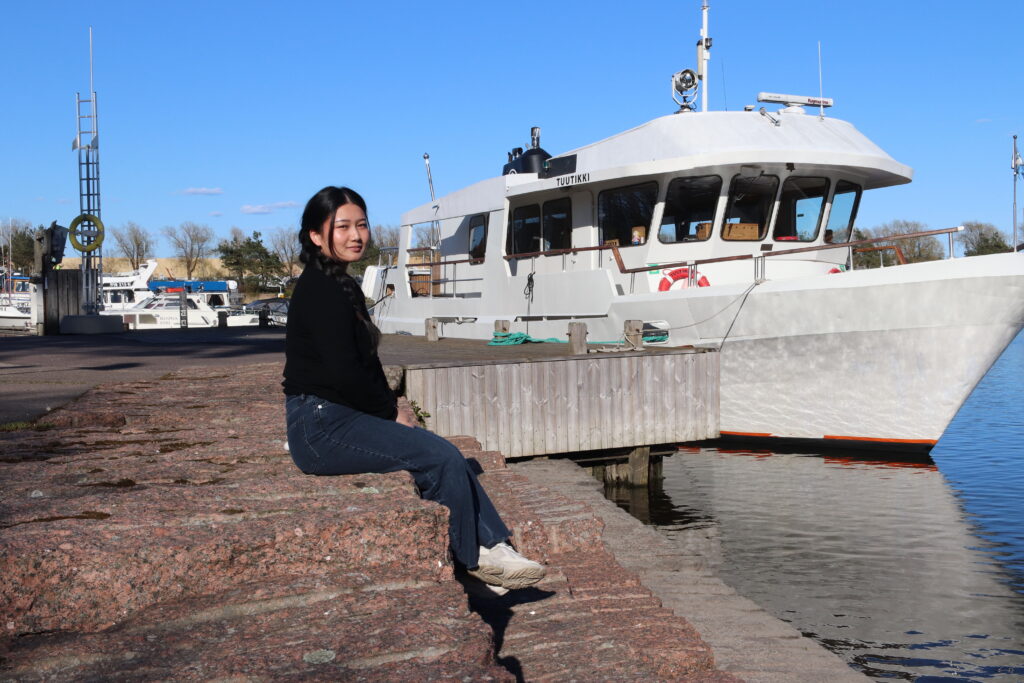
Mular herself enjoys Hovinsaari area. She says the area is quiet, but services are still within easy reach. You can even walk to the nearby Pasaati shopping centre, where there are plenty of shops and restaurants.
Kotka has become a home, and no one in the family has ever wanted to move away. Mular’s studies also took place in the same place: she attended primary school, upper secondary school and a university of applied sciences in Kotka. After graduation, she went straight to her internship at the Kymenlaakso Central Hospital, where she has worked as a nurse for about two years.
Finnish punctuality is pleasing
Growing up in Finland has helped Mular to adapt to the Finnish way of life.
– I have integrated well. Finland is the best place to live. There are no traffic jams or hustle and bustle. I also like the Finnish punctuality, people are on time for meetings, she says.
But it was not an easy start. The Finnish language was difficult and homesickness was a heavy burden. But the friends in school made it easier to adjust. In addition, local organizations such as the parish and the city of Kotka played an important role in the integration process.
– We had a lot of help at the beginning: a home and all the things we needed. I’m really grateful for that, says Mular.
Tips for free-time activities easily
Today, Mular speaks fluent Finnish and leads an active everyday life. She enjoys painting, drawing and spending time with her friends. Together they invent things to do, such as escape room games or trips to Helsinki for events. They often look to social media for tips on how to spend their free time.
– I also visit museums and the library. There are events at the library, and you can use the computer or play games, she says.
Mular believes it is important to have easy access to information about services and events. And also through channels familiar to young people, such as social media. She actively follows Kotka’s social media channels.
Her multicultural background is still reflected in her everyday life in the Karen language, community spirit and food culture.
– Fortunately, Kotka also has a good selection of Asian food, she says.
Mular gives clear advice to new immigrants:
– Get to know the city and what it has to offer beforehand. Get active in seeking information and help. You can get good service in English in almost any place, but learning Finnish will make everyday life and finding a job easier. Hobbies can be a good way to make friends!
The future in Finland looks bright for Mular. She has a job and a stable life.
– I don’t know what the future holds, but it’s good to be here for now. Kotka is a good place to live!
Read next
-
“Towards our goals, one step at a time” – Csilla offers encouragement to those who have moved from abroad
Csilla Németh, from Hungary, arrived in Finland over 30 years ago as part of an international student…
-
“Without challenges, there is no real learning or growth” – From Iran to study in Kotka
Zahra Sasannia and Shaghayegh Hajiloo, both from Iran, began their studies in the digital industry and artificial…
-
For family, nature and ice hockey – Pascal Debroek’s journey from Belgium to Kotka
Belgian Pascal Debroek works for an international gaming company in the Helsinki metropolitan area, but he feels…